

Training
Classroom and Online Training
Practical Rotordynamics for Real Machinery
October 20-23, 2025
Online
For engineers interested in rotordynamics training, we highly recommend Practical Rotordynamics for Real Machinery.
To learn more about the course and to register, go to https://www.rotordynamicscourse.com.
As a result of the highly favorable reviews we received for its first 20-plus offerings in 2012 through 2025,
This popular course will be team-taught by three world class experts in rotordynamics and Dyrobes. Each of the three experts will focus on a particular area of expertise.
Lateral Rotordynamics
Malcolm Leader, P.E., President, Applied Machinery Dynamics
Malcolm has long been known as one of the best rotordynamicists in the world and is also well-known for his keen troubleshooting abilities. He has written several dozen papers on these topics.
Bearings
Dr. Erik Swanson, P.E., President, Xdot Bearing Technologies
In addition to traditional fluid-film bearings, Erik is well-known for his expertise in foil and magnetic bearings. Additionally, Erik is a wizard at using the DYROBES rotor/bearing computer code, which all of the presented case studies have been done in.
Torsional Vibration
Mark A. Corbo, P.E., President, No Bull Engineering
In addition to having authored some of the most well-known and best-received papers on the subject, he is currently serving as the Chair for the Torsional section of the API 684 rotordynamics tutorial.
Here are some of the topics that will be addressed:
- Fundamentals/Basics
- Relevance of the various topics (i.e., why do we even care about this?)
- Modeling tips
- Undamped critical speed maps
- Unbalance response analysis
- Rotordynamic instability
- High pressure compressor stability analysis
- Pump rotordynamic considerations
- Fluid-film bearing types
- Tilting-pad bearings
- Specialized bearings (i.e., magnetic bearings, foil bearings, etc.)
- Seals
- Undamped torsional analysis
- Torsional Campbell diagrams
- Variable frequency drives
- Torsional response analysis
- Synchronous motor start-up analysis
- Reciprocating machine torsionals
- Machinery specific considerations
- API specifications and compliance
- Case studies
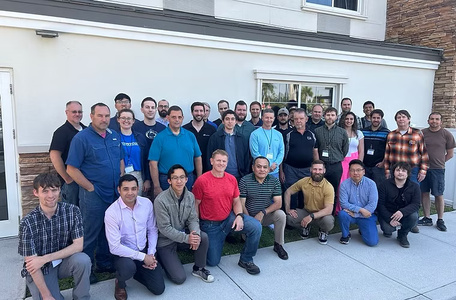
The course, which will cover all of the above topics, will run from Monday through Thursday and cost $2950 per participant.
Course takeaways
- A greater familiarity with lateral and torsional rotordynamics which will allow you to communicate more effectively with experts in the field.
- A better understanding of the meaning and validity of rotordynamic results obtained from consultants and/or in-house rotordynamic codes.
- A better understanding of the rotordynamic causes of common rotating equipment problems which will assist you when trying to troubleshoot field and test-stand problems.
- A better feel for which system elements play an important role in rotordynamic behavior and which ones have little impact. This will be valuable when evaluating potential design changes.
- An appreciation that rotordynamic analysis can be performed in a practical and timely manner and does not require a “research project.”
- An appreciation for the large role that rotordynamic behavior plays in the reliability of rotating equipment and for the importance of evaluating that behavior in the design stage.
To register, please go to www.rotordynamicscourse.com.
As always, if you have any questions about Dyrobes rotordynamics software, or would like a free trial copy, please contact us.